
 Storage During Renovation: Protect Your Belongings While Your Home Transforms
Renovation is exciting. New floors, fresh paint, an updated kitchen, or an entirely reconfigured living space. You have planned the design, chosen the materials, and booked the contractor. But there is one question that every homeowner in Abu Dhabi eventually faces when the work begins: where do your belongings go while the dust flies and the walls come down?
Leaving furniture in place is a risk most people underestimate. Dust penetrates every gap, coating upholstery and working its way into electronics. Paint splatter travels further than expected. Heavy foot traffic from contractors creates constant opportunities for bumps, scrapes, and damage. Storage during renovation solves this problem completely. At Simple Storage, we provide secure, air-conditioned units where your furniture, appliances, and personal belongings remain protected while your home undergoes its transformation. This guide explains everything you need to know about storage during renovation in Abu Dhabi, from planning your timeline to preparing your items and selecting the right unit size.
Why Storage During Renovation Is Essential
Many homeowners initially plan to work around their furniture, pushing everything into one room and sealing the door. In practice, this rarely works. The contractor needs access to that room. Dust finds its way through gaps. The safe room becomes another work zone, and your belongings are exposed to all the hazards you were trying to avoid. Storage during renovation removes your belongings from the equation entirely.
When your furniture, appliances, and personal items are stored off-site, the contractor has full access to every room. Work proceeds faster because nothing needs to be moved or protected mid-project. The risk of damage drops to zero. This approach is not an additional expense. It is an investment in protecting assets that would cost far more to repair or replace than the monthly fee for a secure unit. Storage during renovation protects that value.
Abu Dhabi’s climate adds another dimension. Projects often take weeks or months, during which your belongings would be exposed to heat and humidity if stored in a non-air-conditioned garage. Storage during renovation with Simple Storage means your furniture remains in a fully air-conditioned facility throughout the project, protected from both construction hazards and environmental damage. This dual protection is what makes professional storage during renovation the smart choice for homeowners across the capital.
When to Arrange Storage During Renovation
The best time to arrange storage during renovation is before the contractor arrives. Ideally, two to three weeks before work begins, you should have your unit selected and your packing underway. This allows you to clear the house methodically rather than in a panicked rush the night before demolition starts. Planning storage during renovation well in advance ensures a smooth transition from lived-in home to construction site. It also gives you time to sort through your belongings and decide what genuinely needs to be stored, what can be discarded, and what might be donated. This sorting process reduces the volume you need to store and can lower your monthly cost.
The weeks before a renovation are busy enough without adding a last-minute scramble for storage. You are finalising designs, confirming material deliveries, and coordinating with your contractor. Adding the physical work of packing and moving to that list at the last moment creates unnecessary stress. By securing your unit early, you can pack gradually. One room per evening. Boxes labelled and stacked neatly. Furniture disassembled at your own pace. When moving day arrives, everything is ready to go. The collection team loads your belongings, and the house is cleared within hours. This kind of organised approach transforms what could be a chaotic experience into a calm, controlled process.
If your project is limited to specific rooms, you may only need storage during renovation for those areas. A kitchen renovation means storing appliances, small furniture, and boxed kitchenware. A living room project means storing sofas, coffee tables, and decorative items. However, even targeted renovations benefit from clearing adjacent rooms. Dust travels through the air and settles on surfaces throughout the house. Protecting items in nearby spaces requires constant vigilance during the work. Many homeowners find that storage during renovation is most effective when they clear the entire floor or wing of the house being worked on. This comprehensive approach eliminates worry and lets you focus on the project itself rather than constantly checking on items left behind.
For whole-home renovations, storage during renovation is a logistical requirement. You need a place for everything, and that place cannot be the house you are renovating. A larger unit accommodating the entire property is necessary. Our team can help you calculate the right size based on the number of rooms and volume of furniture. Every successful whole-home renovation relies on comprehensive storage during renovation to keep belongings safe and the worksite clear. With everything off-site, your contractor can move freely through the property, work progresses faster, and the finish quality improves because there are no obstacles to work around.
 What Storage During Renovation Costs
The cost of storage during renovation depends on the volume of items and the duration of your project. At Simple Storage, our pricing is transparent and published. You pay a monthly rate with no long-term commitment, which is ideal for storage during renovation where timelines can shift.
For partial renovations, a small unit ranging from AED 250 to AED 750 per month typically suffices. A five-by-five-foot unit accommodates furniture from a single room and twenty boxes. A five-by-ten-foot unit handles two rooms comfortably. This is the most affordable storage during renovation option for targeted projects.
For larger renovations affecting an entire apartment, a medium unit ranging from AED 1,450 to AED 1,950 per month provides the necessary capacity. A ten-by-ten-foot unit accommodates a one-bedroom apartment. A ten-by-fifteen-foot unit handles a two-bedroom apartment. This is the most commonly selected category for storage during renovation.
For villa renovations, a large unit ranging from AED 2,750 to AED 3,950 per month accommodates substantial furniture collections. A ten-by-twenty-foot unit handles a three-bedroom villa. A ten-by-thirty-foot unit manages larger properties. This scale of storage during renovation is essential for families undertaking comprehensive transformations.
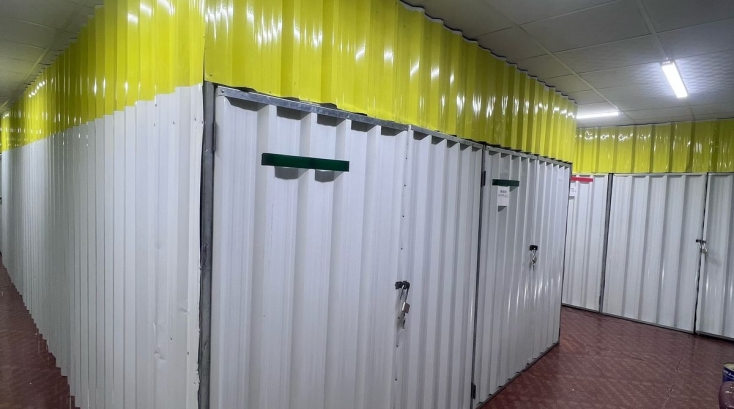
Every rate includes our fully air-conditioned facility, 24/7 access, your private unit, a free padlock, and use of our trolleys. No deposit is required. If your renovation runs longer than expected, your storage during renovation arrangement simply continues on a monthly rolling basis. If it finishes early, you give thirty days’ notice and move home.
How to Plan Your Storage During Renovation Project
A successful storage during renovation experience starts with good planning. The steps you take before moving day determine how smoothly everything goes.
Inventory Your Belongings Room by Room
Walk through your home and list what needs to go into storage during renovation. Note furniture, appliances, electronics, and boxed belongings. This inventory helps our team recommend the right unit size and becomes your checklist on moving day. Be realistic about what should be stored. Even items that seem safe can be damaged by vibration or dust. Storage during renovation is most effective when you store more rather than less. Storage Options.
Book Your Unit Early
Do not wait until the last week to arrange storage during renovation. Unit availability can be limited during peak seasons. Booking two to three weeks in advance secures the size you need and gives you time to pack properly. Early booking is a hallmark of well-organised storage during renovation planning.
Coordinate with Your Contractor
Share your storage during renovation plans with your contractor. They need to know which rooms will be empty and when. A contractor who arrives to find the house cleared can start immediately, potentially shortening the overall timeline. Good communication makes storage during renovation smoother for everyone involved.
Arrange Collection or Transport
Simple Storage offers a free collection service for your storage during renovation needs. Our team handles the heavy lifting and transport, delivering your items safely. If you prefer to handle transport yourself, ensure you have an appropriate vehicle and help for heavy furniture.
 Preparing Your Belongings for Storage During Renovation
How you prepare your items before storage during renovation directly affects their condition when you retrieve them. Proper preparation ensures your belongings remain perfect throughout.
Furniture Protection
Disassemble what you can before storage during renovation. Dining tables, bed frames, and shelving units occupy far less space when broken down. Keep hardware in labelled bags taped to each piece. Clean all surfaces before they enter storage during renovation. Use breathable covers on upholstered furniture. Never use plastic wrap, which traps moisture even during short-term storage during renovation.
Electronics and Appliances
Remove batteries from all devices before storage during renovation. Batteries leak and destroy electronics. Wrap screens in soft materials. For appliances, clean and dry the interior completely before storage during renovation begins. Store with doors slightly ajar to prevent odours.
Box Packing
Use sturdy, uniform boxes that stack securely during storage during renovation. Label every box on multiple sides with its contents and room. Place items you might need during the renovation near the front of your storage during renovation unit.
The Simple Storage Difference
Several factors make our approach different from other options in Abu Dhabi.
A Fully Air-Conditioned Facility
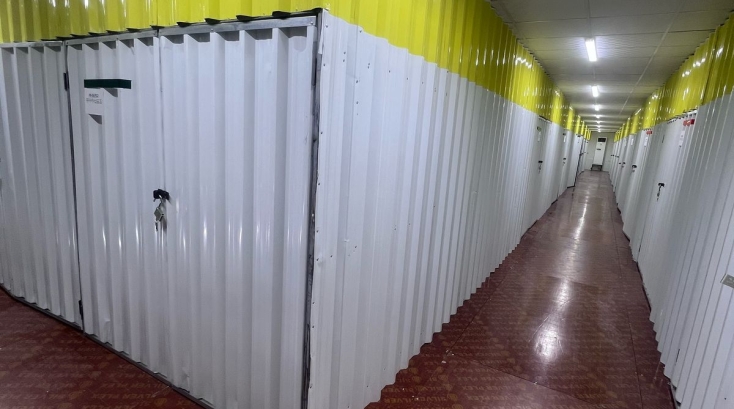
Our entire building is air-conditioned. Your belongings are not sitting in a hot garage. They are in a stable, cool environment that protects wood, leather, electronics, and fabrics. Storage during renovation should protect your belongings from all threats, including the climate.
Flexible Contracts
Renovations rarely finish exactly on schedule. With storage during renovation at Simple Storage, your contract runs on a monthly rolling basis. If the project extends, your storage extends with it. If it finishes early, you give thirty days’ notice. There are no penalties.
24/7 Access
During a renovation, unexpected needs arise. You need to retrieve a document or check on furniture. Our 24/7 access means you can visit your storage during renovation unit whenever you need to, without appointments or fees.
No Deposit and Free Padlock
Starting storage during renovation with Simple Storage is straightforward. No deposit is required. We provide a free padlock, and you hold the only key.
 Common Mistakes Homeowners Make During a Renovation Project
After years of helping customers through their renovation journeys, we have observed several mistakes that occur repeatedly. These errors cost time, money, and sometimes result in damage that could have been avoided. Knowing what they are before your project begins helps you sidestep them entirely.
Leaving Items in the House Thinking They Will Be Fine
The most common mistake is underestimating how far dust travels. Homeowners often seal off a room and assume its contents are protected. Within days, a fine layer of construction dust settles on every surface inside that supposedly sealed space. It works its way into fabric, into electronics, and into drawers that were closed. By the time the renovation is complete, items that were never touched by a contractor still need deep cleaning or, in some cases, professional restoration. Removing everything of value before work begins is the only reliable way to prevent this.
Forgetting About Vibration Damage
Renovation involves heavy work. Jackhammers, sanders, and even constant foot traffic create vibrations that travel through walls and floors. Delicate items such as picture frames, mirrors, and glassware can shake off shelves. Electronics with internal components can suffer connection loosening over weeks of sustained vibration. Homeowners rarely consider this risk until something breaks. Securing or removing fragile items before the project starts prevents these unnecessary losses.
Not Accounting for Paint and Chemical Odours
Fresh paint, varnishes, adhesives, and sealants release strong chemical odours during application and curing. These fumes penetrate fabric, upholstery, and clothing. Items left in the house during renovation can absorb these odours, which persist long after the work is complete. A sofa that sat in a room being painted may smell of paint for weeks after you move back in. Soft furnishings, curtains, and bedding are particularly vulnerable. Removing them before the chemicals are applied keeps them fresh.
Underestimating the Project Timeline
Almost every renovation takes longer than initially estimated. Material delays, unexpected structural issues, and contractor scheduling changes all extend the timeline. Homeowners who plan their arrangements based on the original completion date often find themselves scrambling when the project runs over. Building flexibility into your plans from the start removes this stress. A monthly rolling arrangement means an extra few weeks does not create a crisis.
Mixing Construction Materials with Personal Belongings
Some homeowners use part of their storage space for renovation materials such as tiles, paint cans, and fixtures. This seems efficient but creates problems. Construction materials are heavy, dusty, and sometimes leak. Storing them alongside furniture and personal items risks damage from spills, scratches, or crushing. Keeping building supplies completely separate from household belongings is a simple precaution that prevents expensive accidents.
Failing to Label Boxes Properly
After weeks or months away from your belongings, you will not remember which box contains what. Vague labels like “kitchen stuff” or “miscellaneous” become meaningless when you are trying to find the kettle on move-back day. Detailed labelling with room names and specific contents saves hours of frustration. A simple numbering system with a master inventory list takes this further, allowing you to locate any item without opening multiple boxes.
Not Taking Photographs Before Packing
Before you dismantle your home, photograph every room from multiple angles. Capture furniture arrangements, shelf layouts, and how electronics were connected. These photographs become invaluable references when you return. You can recreate the exact setup you had before, or intentionally arrange things differently knowing what the previous layout looked like. Photographs also serve as documentation of your belongings’ condition before they entered storage, which is useful for insurance purposes.
Rushing the Move-Back Process
When the renovation is finally complete, the temptation is to move everything back in a single exhausting weekend. This rush leads to poor decisions about furniture placement, items being dumped in the wrong rooms, and an overwhelming sense of chaos in what should be a fresh start. Taking the move-back process room by room, over several days if possible, allows you to settle into your renovated home thoughtfully. You have waited weeks or months for this moment. A few extra days to get it right makes a meaningful difference to how you experience your new space.
Frequently Asked Questions
How far in advance should I arrange storage during renovation?
Ideally, book your storage during renovation unit two to three weeks before work begins.
What size unit do I need for storage during renovation?
For partial renovations, a small unit suffices. For apartments, a medium unit is typical. For villas, a large unit is recommended.
Can I access my storage during renovation unit at any time?
Yes. 24/7 access is included with all storage during renovation agreements.
What happens if my renovation takes longer?
Your storage during renovation continues on a monthly rolling basis with no penalties.
Is the facility air-conditioned for storage during renovation?
Yes. Our entire facility is fully air-conditioned.
Do I need to pay a deposit?
No deposit is required for storage during renovation.
Can you help me move my items?
Yes. We offer a free collection service for storage during renovation customers.
What if I finish early?
You can conclude your storage during renovation with thirty days’ notice.
Should I store everything?
We recommend storing as much as possible. Comprehensive storage during renovation provides the best protection.
How do I prepare furniture?
Clean, disassemble, condition leather, and use breathable covers. Never use plastic wrap. Our team can advise on preparing items for storage during renovation.
Get Your Storage During Renovation Quote
Your home is about to become something better. While that transformation happens, your belongings deserve protection. Storage during renovation provides that protection, keeping everything safe until the work is complete.
Contact Simple Storage by phone or WhatsApp at 052 193 3312, or visit simplestorage.ae to use our unit size calculator for an instant online quote. Tell us about your project and what you need to store, and we will recommend the right storage during renovation unit with a firm, all-inclusive monthly price.
No hidden fees. No deposit. Free padlock. Free collection. Just professional storage during renovation that keeps everything you own safe while your home becomes everything you want it to be.